Dr.-Ing. Huzaif Rahim
Computational Physicist
Granular Flow · DEM Simulations · Pattern Formation
I am a computational physicist specializing in dense granular flow, particle-based simulation, and multiscale modeling.
Using Discrete Element Method (DEM), I study how particle shape and contact mechanics control, stress distribution, shear localization, dilatancy and compaction, surface morphology, and granular rheology. I extract continuum fields (velocity, strain rate, stress tensor) from particle data using coarse-graining, relating particle-scale interactions to macroscopic behavior.
I also study pattern formation in reaction–diffusion systems, focusing on mechanisms that create stripe and spot patterns, such as those seen on animal skin (e.g., zebra stripes).
Links
LinkedIn · Google Scholar · GitHub · ResearchGate · MSS FAU .
Simulations
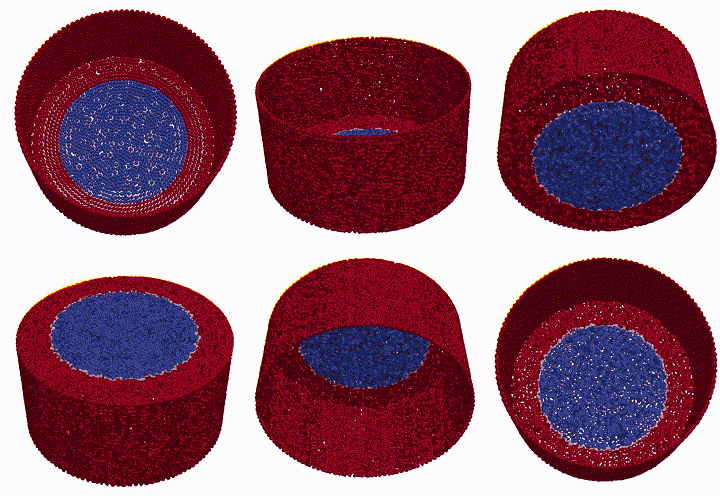
Split-bottom shear cell (empty).
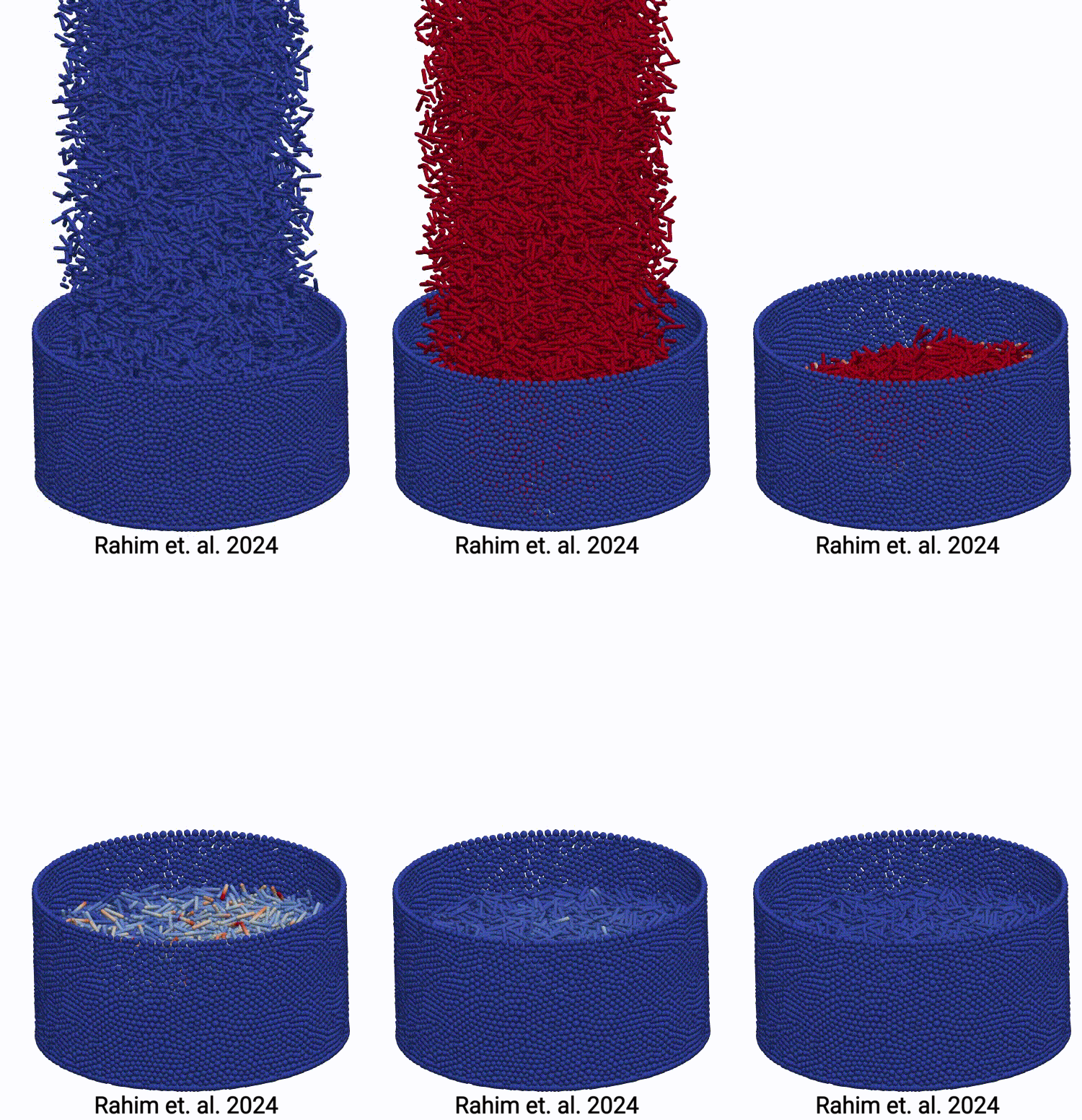
Split-bottom shear cell (with clump particles).
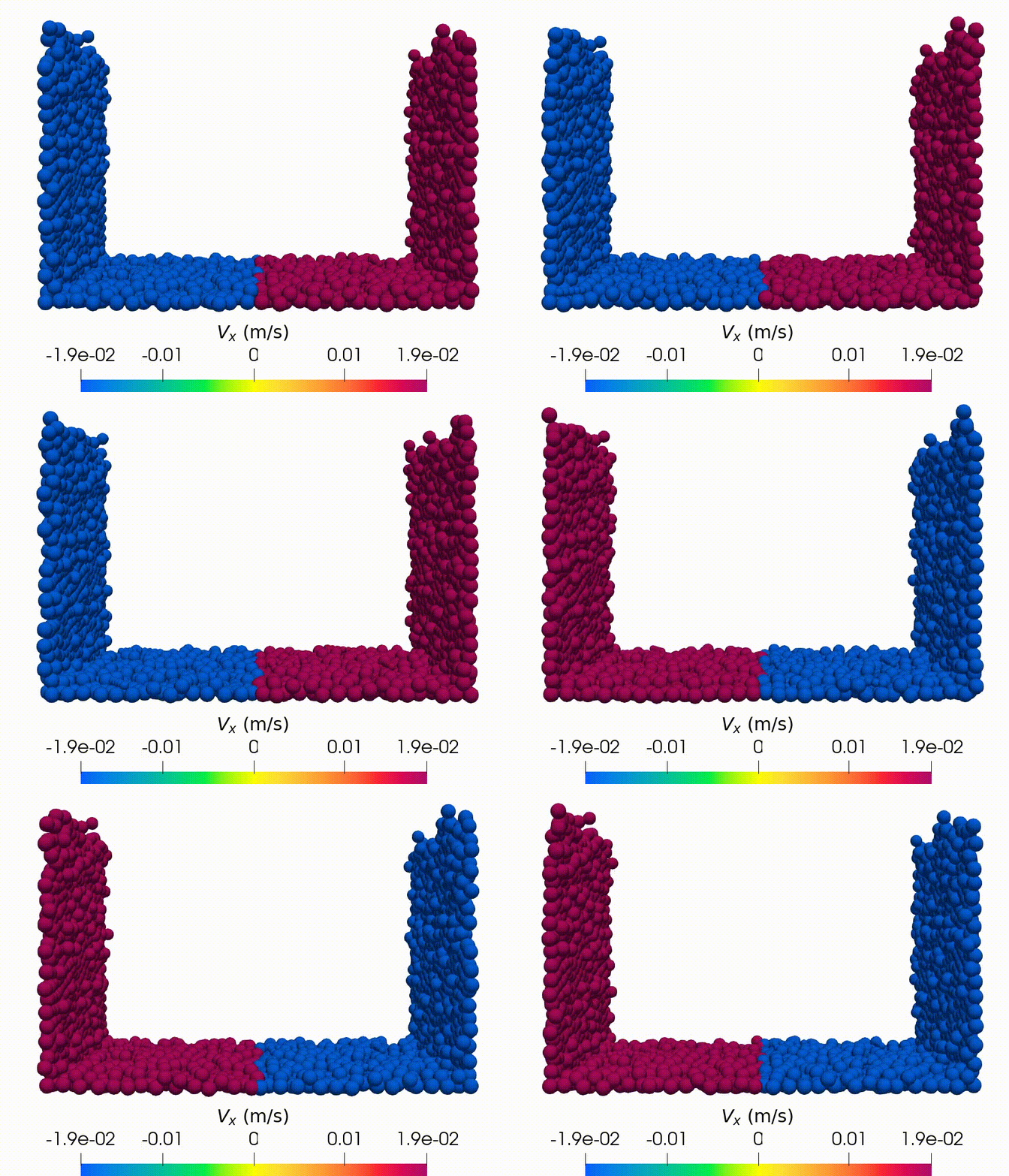
Linear shear cell (empty).
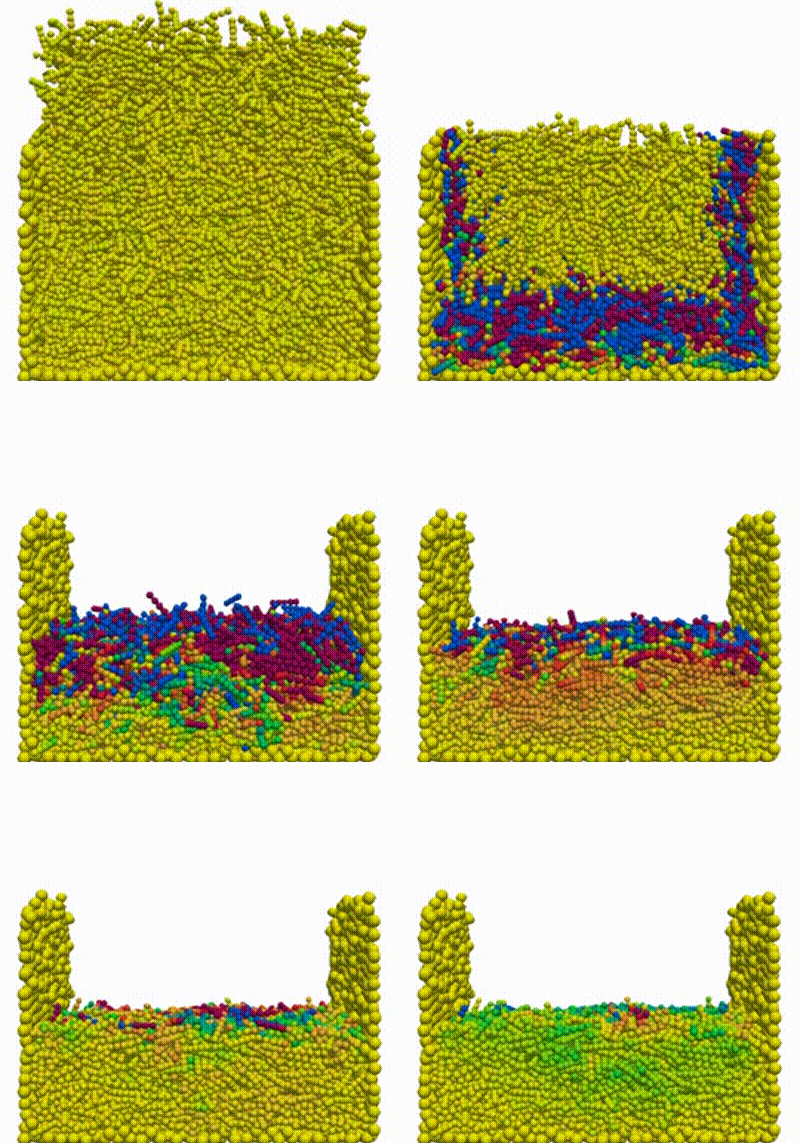
Linear shear cell (with clump particles).
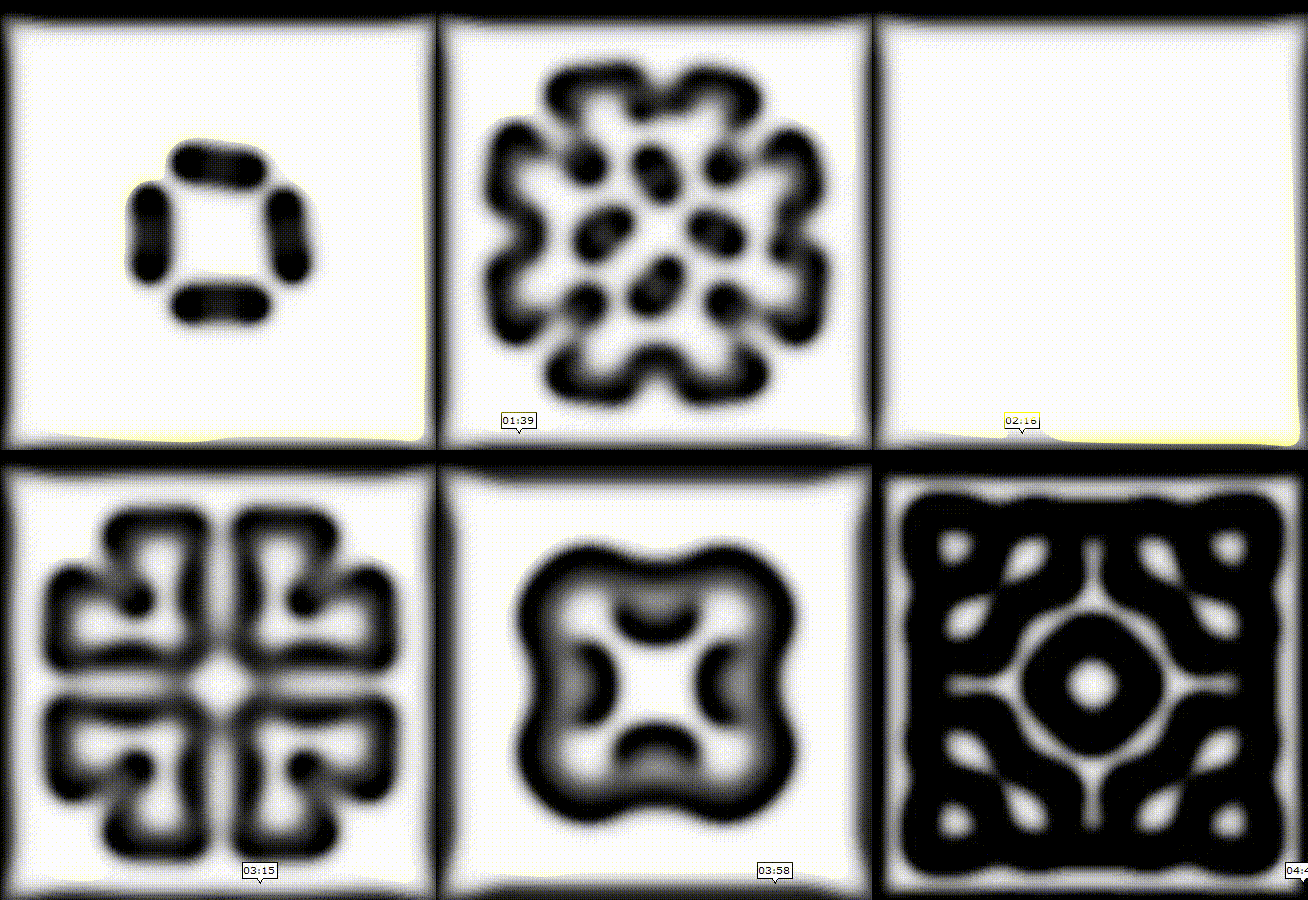
Reaction–diffusion — set A.
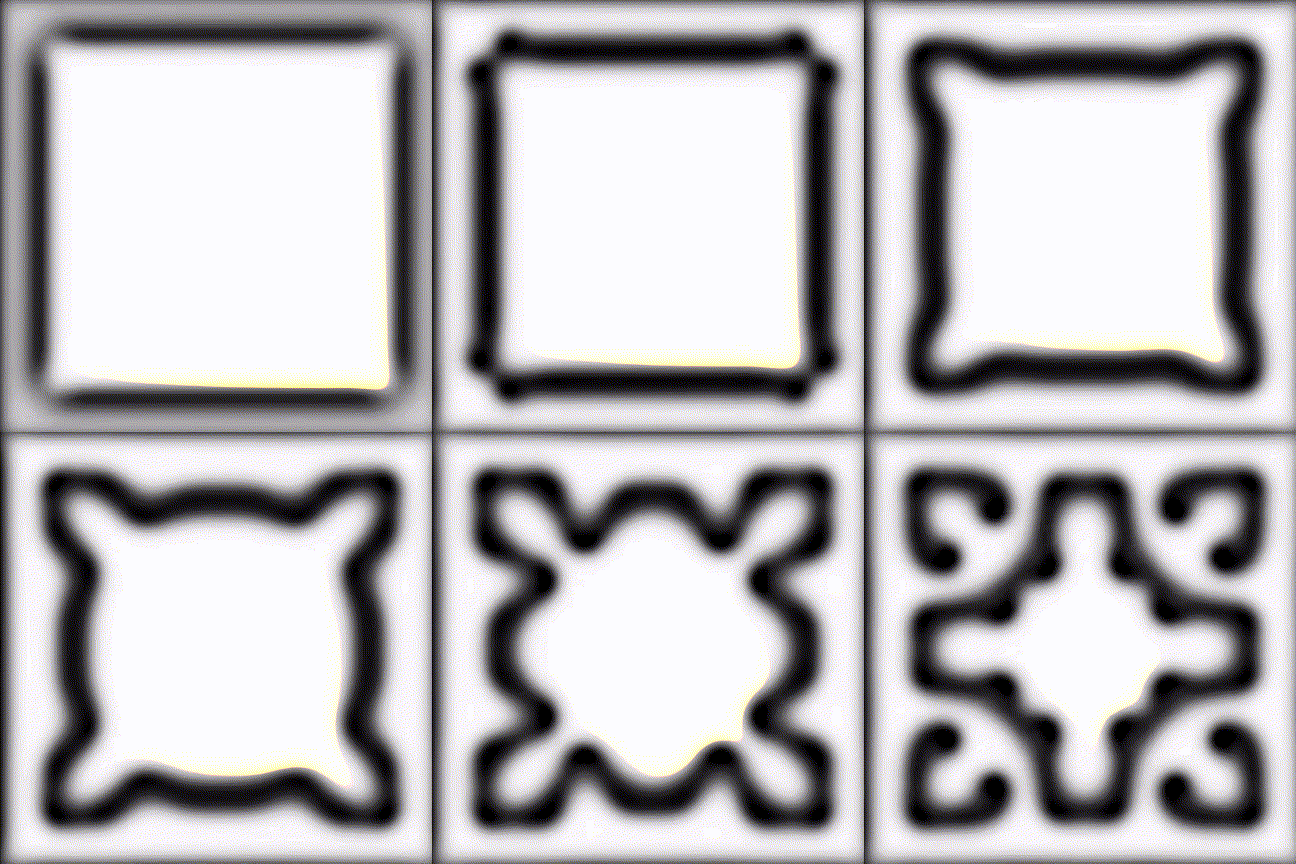
Reaction–diffusion — set B.
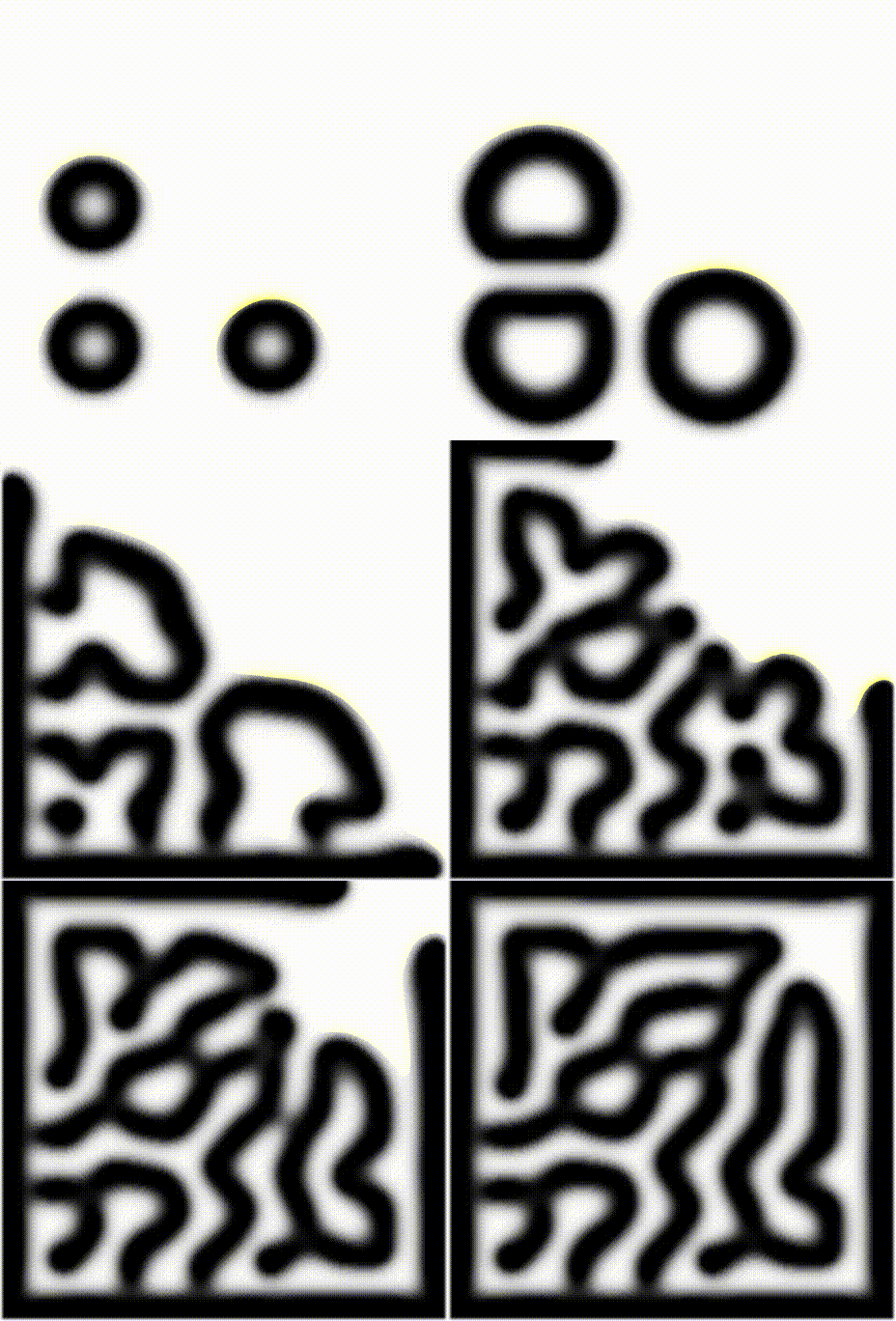
Reaction–diffusion — set C.
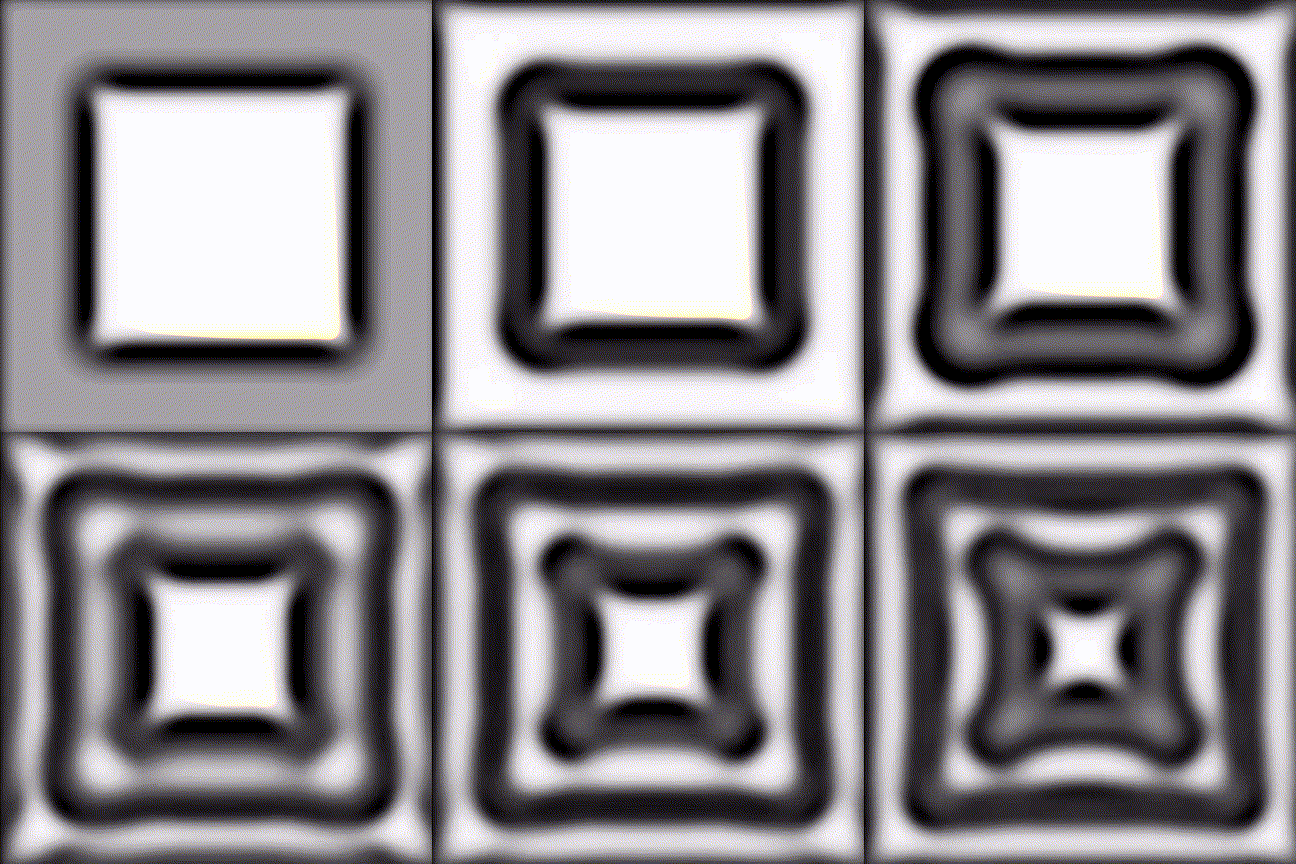
Reaction–diffusion — set D.
Featured Projects
Alignment-induced depression and shear thinning in granular matter of nonspherical particles
DEM study of shear-induced alignment, surface depression formation, and shear-thinning rheology of elongated grains.
Impact of friction and grain shape on the morphology of sheared granular media
DEM study of how friction and particle shape control alignment, dilatancy, and free-surface morphology in a linear split-bottom shear cell.
Sensor fusion for accurate motion tracking
How do you track motion with noisy sensors? A Kalman filter fuses GPS and accelerometer data into a stable, accurate trajectory.
Teaching a robot to build patterns
A robot that picks up particles, moves them, and places them to form structured patterns.